
The Essential Newborn Hospital Bag Checklist: What You Truly Need for Labor and Postpartum
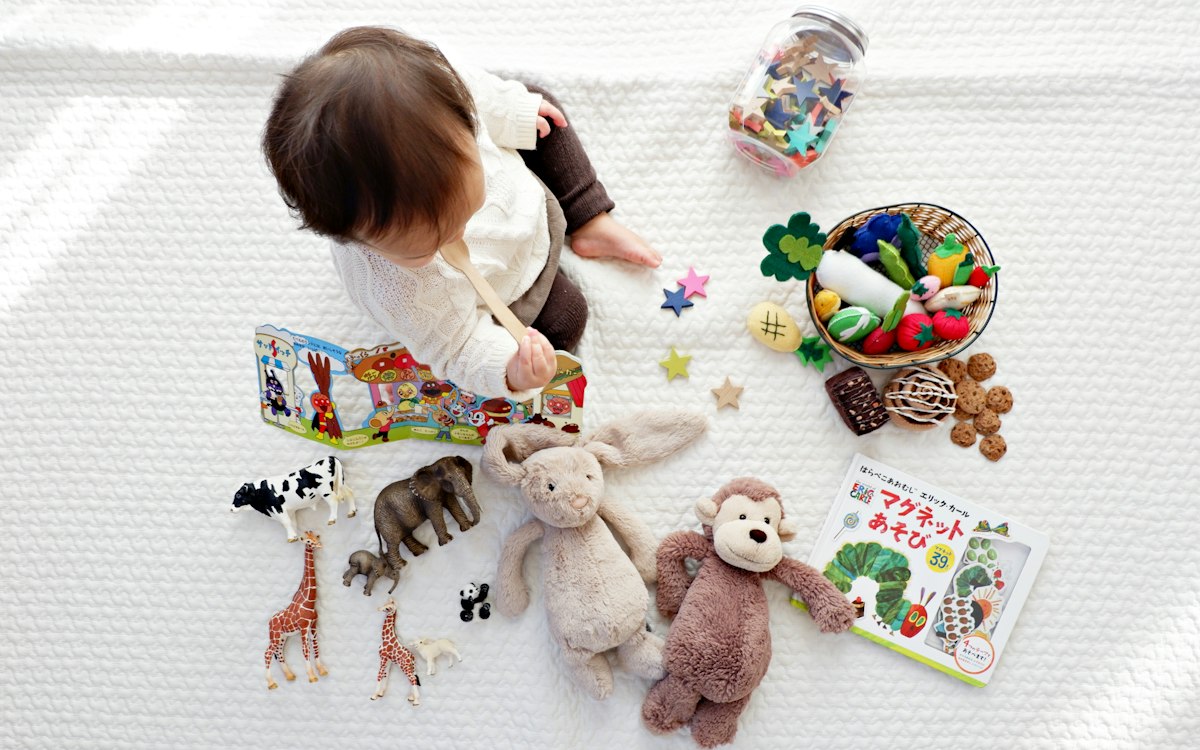
Packing your hospital bag by week 35 eliminates panic and ensures you focus entirely on your birth process and newborn bonding.
As you enter the final weeks of your third trimester—the culmination of the 9 Lunas (nine lunar months) of pregnancy—anticipation and nervous excitement reach their peak. For many expecting parents, packing the hospital bag becomes a tangible outlet for nesting energy. Yet, search online and you will find recommendations urging you to pack everything from full designer wardrobes to elaborate lighting rigs.
In clinical reality, most parents use less than a third of what they pack into a cramped labor and delivery room. Having attended hundreds of deliveries, our perinatal team has curated this practical, midwife-vetted checklist. It focuses on physiological labor comfort, dignified postpartum recovery, and seamless infant discharge.
When Should You Pack Your Bag?
The Week 35 Milestone Rule
Have your hospital bag fully packed and staged near your front door (or in the vehicle trunk) by 35 to 36 weeks of gestation. While full-term labor occurs between 37 and 42 weeks, spontaneous membrane rupture or early labor progression can occur without warning. Having essentials packed removes unnecessary adrenaline when contractions begin.
Section 1: Critical Documentation & Administration
Keep these items in a dedicated exterior zipper pouch of your bag so your birth partner can hand them over to triage admissions in seconds:
- Government-Issued Photo ID: Driver's license or passport for the birthing parent.
- Health Insurance Card & Hospital Pre-Registration Forms: Complete pre-registration online if your hospital offers it.
- Birth Plan / Preference Sheet: Keep it concise (1 page maximum) outlining preferences for pain relief, delayed cord clamping, and skin-to-skin contact.
- Pediatrician Contact Information: Hospitals require the name and phone number of the pediatrician who will provide follow-up care within 48 hours of discharge.
Section 2: Labor & Delivery Comfort Essentials
Labor can span anywhere from 6 to 36 hours. Hospital gowns are notoriously scratchy and open-backed; bringing a few personal comfort items can dramatically ground your nervous system:
- Dark-Colored Labor Gown or Soft Bralette: Look for front-opening snap buttons to allow instant skin-to-skin placement immediately after birth.
- Grippy Warm Socks or Rubber-Soled Slippers: Hospital linoleum floors are cold, and walking during contractions stimulates uterine cervical dilation.
- Extra-Long Phone Charger Cable (10 ft / 3m): Hospital electrical outlets are frequently situated behind bulky bed monitors several feet away from the mattress.
- Lip Balm & Hydrating Face Mist: Hospital ventilation is heavily dehumidified; frequent breathing during contractions dries out lips within hours.
- Electrolyte Drink Packets & High-Protein Snacks: Coconut water, dates, and bone broth packets provide fast, gentle glycogen to fuel contracting uterine muscles.
Section 3: Postpartum Recovery Kit for Mom
The 48 hours following birth are dedicated to involution and physical healing. While hospitals supply basic disposable mesh underwear and heavy-duty pads, having high-grade personal supplies transforms your physical comfort:
| Item | Recommended Quantity | Clinical Purpose |
|---|---|---|
| Upside-Down Peri Bottle | 1 Unit (e.g. Frida Mom) | Angled spout allows gentle warm water cleansing of the perineum without painful reaching or wiping. |
| Organic Witch Hazel Pads | 1 Pack (24 pads) | Soothes perineal swelling and provides cooling relief over stitches. |
| High-Waisted Disposable Briefs | 4–6 Pairs | Soft, stretchy micro-mesh that sits comfortably above both vaginal tearing and potential Cesarean incision lines. |
| Front-Opening Nursing Loungewear | 2 Sets | Soft modal or bamboo pajamas that provide easy chest access for around-the-clock breastfeeding. |
| Lanolin or Organic Nipple Balm | 1 Tube | Deeply moisturizes sensitive breast tissue during initial latch learning curve. |
Section 4: The Newborn Layette & Coming-Home Kit
Newborns require remarkably little during their hospital stay; hospitals supply diapers, wipes, and basic swaddle blankets. What you need are properly sized travel clothes:
- Two Coming-Home Outfits (Newborn & 0–3 Months Sizes): Ultrasounds frequently miscalculate birth weight. Bringing one newborn size (up to 8 lbs) and one 0–3 month size (up to 12 lbs) ensures your baby won’t be swimming in oversized fabric or pinched by small seams.
- Kimono-Style or Magnetic-Closure Onesies: Avoid outfits that must be pulled over an infant’s fragile, unstabilized neck. Side-snapping kimono styles are far gentler.
- Two Pairs of Cotton Mittens & Soft Booties: Newborns have paper-thin, sharp fingernails and often scratch their delicate facial skin involuntarily.
- Muslin Swaddle Blanket: For gentle car seat coverage on the journey home (draped over the straps, never underneath).
Section 5: The Birth Partner's Survival Bag
A supportive, well-rested birth partner is an invaluable advocate during delivery. Their bag should include:
- Change of Clothes & Deodorant: Labor rooms can fluctuate rapidly between sweltering humidity during shower hydrotherapy and air-conditioned cold.
- Comfortable Pillow with Non-White Pillowcase: Hospital visitor fold-out couches are notoriously stiff. (Using a patterned pillowcase ensures it won’t get swept into the hospital laundry).
- Refillable Water Bottle & Cash for Vending Machines: Hospital cafeterias often close during overnight active labor.
Section 6: Non-Negotiable Discharge Requirement: The Car Seat
Every accredited hospital and birth center globally enforces a strict discharge policy: you cannot leave the maternity ward without an installed, approved child car seat.
Car Seat Installation Verification
Install your infant car seat base in your vehicle around week 36. Familiarize yourself with how to clip the carrier into the base and practice adjusting the five-point harness on a stuffed animal. Most maternity nurses are legally prohibited from installing the seat for you. Review our rankings of the top convertible car seats and understand the physics of rear-facing crash safety before discharge day.
What to Leave at Home
Avoid clogging your room with these frequently overpacked items:
- Bulk Diapers and Baby Wipes: The maternity ward provides unlimited diapers during your admission. Pack only enough for the ride home.
- Electric Breast Pumps: If pumping is clinically required during your stay, the hospital will provide a medical-grade hospital pump with sterile tubing.
- Stiff Designer Newborn Shoes: Newborn feet do not possess ossified arches; shoes are uncomfortable and restrict natural sensory reflexes.
Once settled at home, prepare your living areas with our room-by-room baby-proofing safety guide, or consult our About Us mission page to learn more about our commitment to maternal and child wellness.